
La medicina preventiva se puede definir como todos aquellos procedimientos médicos que se realizan antes de presentarse una enfermedad, con el fin de prevenirla.La medicina preventiva es sin duda la clave para que cualquier propietario de alguna mascota, incluyendo criaderos grandes, garantice en gran medida el bienestar de sus animales. El concepto es que, siempre será mucho más económico prevenir enfermedades que curarlas, además de que evitamos el riesgo de transmitir enfermedades de la mascota a los integrantes de la familia.Algunos procedimientos comunes de medicina preventiva son la vacunación, desparasitación, chequeos periódicos a los perros, etcétera. En este caso abordaremos las circunstancias de la prevención de enfermedades y sus consecuencias.
Vacunas en perros
La vacunación es fácilmente identificada como indispensable para cualquier propietario de algún perro, pero en realidad ¿qué tanto se sabe acerca del calendario que requieren los perros a lo largo de su vida?Antes de adentrarnos en el tema, es importante destacar que el calendario de vacunación puede variar de acuerdo a la zona geográfica en la que se encuentra el perro, de las principales enfermedades que se presentan en cada población, edad del animal, marca del material biológico, del tipo de vacuna que se aplique (dobles, triples, cuádruples y hasta séptuples), costumbres del veterinario, etc.Es indispensable saber que las vacunas no sirven como tratamiento de enfermedades, un animal enfermo por ningún motivo se deberá vacunar, por ello, antes de cada aplicación, su veterinario deberá realizar un examen físico completo, tanto a cachorros como adultos.Anteriormente se acostumbraba a vacunar a los perros en los primeros meses, posteriormente aplicar la vacuna de rabia cada año y listo. Sin embargo, se ha documentado cada vez más que perros adultos pueden presentar enfermedades como moquillo, parvovirus, leptospira, etc., que son padecimientos que se pueden prevenir vacunando año con año a nuestras mascotas. Esto no sólo por la salud de nuestros perros, sino también de nuestra familia, ya que enfermedades como muchas parasitosis, leptospirosis y rabia se pueden transmitir del perro al humano.Las enfermedades a incluir en el cuadro básico de vacunación en cachorros son: Parvovirus, Moquillo (Distemper), Adenovirus, Leptospirosis, Coronavirus, Parainfluenza y Rabia.Las enfermedades a incluir en la re-vacunación anual en adultos son:
Parvovirus, Moquillo (Distemper), Adenovirus, Leptospirosis, Parainfluenza y Rabia
Desparasitación de perros
La desparasitación es una parte fundamental de la medicina preventiva, ésta se debe iniciar desde que la madre queda gestante, ya que la transmisión de parásitos puede ocurrir a través de la placenta y durante la lactancia. Posteriormente se desparasita a los cachorros, así como a la madre, una vez que se destetan. Para esto es importante hacer de su conocimiento, que los desparasitantes sirven en su mayoría para atacar los parásitos adultos, por lo que una sola desparasitación no es suficiente, la desparasitación se recomienda llevarla a cabo dos y hasta tres veces, separando las aplicaciones entre 8 y 12 días.Antes de comenzar un calendario de vacunación en cachorros, deberán aplicarse por lo menos dos desparasitaciones, la razón es que si un cachorro presenta parásitos, no se podrá nutrir de buena forma y sus defensas son disminuidas, por lo que la respuesta a la vacuna será mala o nula en algunos casos.
No protege durante un año
A diferencia de las vacunas, la desparasitación funciona al momento y no se mantiene una protección por cierto tiempo, por lo que un perro recién desparasitado al entrar en contacto con parásitos al siguiente día podrá ser infestado de nuevo. Por esto, la desparasitación se debe realizar cada cuatro o seis meses y es necesario administrarse al mismo tiempo a todos los perros que convivan en una casa. Lo ideal es realizar un estudio con muestras de excremento de tres días diferentes para identificar el tipo de parásitos y administrar el medicamento específico.
Visite al veterinario regularmente
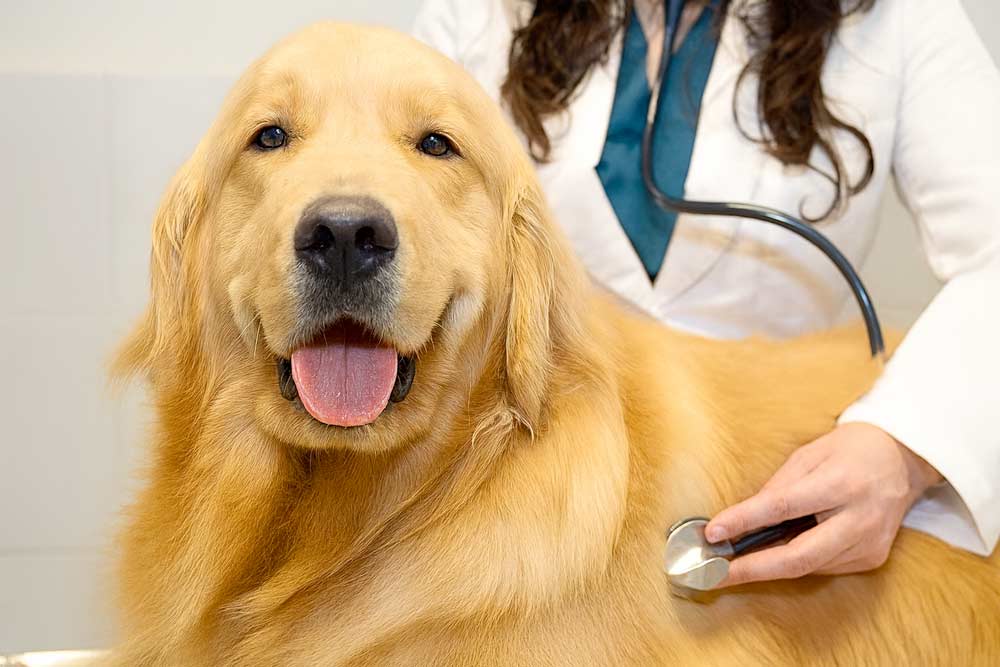
El médico veterinario deberá realizar un examen físico general como parte de la vacunación anual y de la desparasitación cuatrimestral o semestral, esto es una buena manera de aproximarnos a los perros y revisar puntos clave para identificar el desarrollo de una enfermedad, formación de sarro dental, problemas de piel, etcétera, sin embargo, no siempre es suficiente, es recomendable realizar chequeos con pruebas de laboratorio por ejemplo, en animales mayores de cuatro años y dependiendo de los resultados realizarlos cada año o dos años, con el fin de diagnosticar enfermedades tales como diabetes, hipotiroidismo, hiperadrenocortisismo, o problemas en hígado o riñón, por mencionar algunos, que de otra forma nos sería imposible diagnosticar en los perros.En perros predisponentes por ejemplo a displasia de cadera, es importante tomar estudios radiográficos para diagnosticarla, aún cuando el perro no presente signología (evidencia de padecer la enfermedad), ya que se puede “controlar” el desarrollo de este padecimiento, a través de medicamentos y suplementos alimenticios.
Compromiso social
Como parte de la medicina preventiva debemos incluir la esterilización de nuestras mascotas cuando presenten enfermedades hereditarias como diabetes, displasia de cadera, hipotiroidismo, criptorquidismo (retención de uno o dos testículos en cavidad abdominal), etc., ya que sólo evitando la reproducción de estos ejemplares podremos controlar este tipo de enfermedades.Los 10 TIPPS
- NO vacune a un perro enfermo.
- Vacune y desparasite a las hembras durante el celo cuando planee tener una camada.
- Desparasite al menos dos veces a los cachorros después del destete; si adquirió un cachorro que “dicen” que fue desparasitado y no le dan un comprobante (carnet, receta del veterinario, etc.) desparasítelo, se ahorrará dinero y preocupaciones.
- Vacune a sus cachorros con tres aplicaciones de cada enfermedad separadas de por lo menos por 15 días, en el orden que su veterinario le indique, si adquirió un cachorro y no le dieron comprobante de las vacunas aplicadas, inicie de cero el calendario, mientras más vacunas aplique, mayor protección a su cachorro.
- Vacune cada año todos los perros adultos contra parvovirus, moquillo, leptospira, parainfluenza, adenovirus y rabia.
- Realice estudios seriados de heces cada cuatro o seis meses para identificar parasitosis, si no se puede, desparasite en ese tiempo a sus perros, aunque no salgan a la calle, recuerde que usted puede infestarlos de forma indirecta como por zapatos, visitas que tengan otros perros, etc.
- Pregunte a su veterinario acerca de las enfermedades más comunes de la raza que posea y cómo puede diagnosticarlas a tiempo.
- Evite la reproducción de mascotas que presenten enfermedades hereditarias y en caso de que ya tenga crías, avise a sus propietarios para que tomen las medidas preventivas posibles para dicha enfermedad.
- Realice un chequeo con pruebas de laboratorio a partir de los cuatro años de edad en su mascota y posteriormente cada uno o dos años.
- Usted puede ahorrarse problemas, preocupaciones y miles de pesos si previene las enfermedades que hemos enlistado en este artículo, lleve a su mascota al veterinario.





Hola, buenas noches,mi comentario es,por ejemplo en mi casa tenemos un Golden retriever,yo lo voy a pesar a valorar,tiene 4 años 8 meses,eh platicado con mi hermana a cerca del chequeo,yo también son mvz,no tengo especialidad,si me gustaría saber de sus experiencias,es por eso que les mando este mensaje,claro ojalá que no se molesten,o ustedes cómo especialistas,que me recomiendan, saludos y bendiciones.